RESULTS OVER RHETORIC.Parent • Educator • Advocate

CHARLOTTE WILSON

FOR PRINCETON ISD SCHOOL BOARD

Charlotte Wilson is a Princeton ISD parent, public-school educator, and candidate for Princeton ISD School Board who believes our rapidly growing district needs leadership focused on measurable student outcomes, strong teachers, accountable governance, and opportunity for every student.
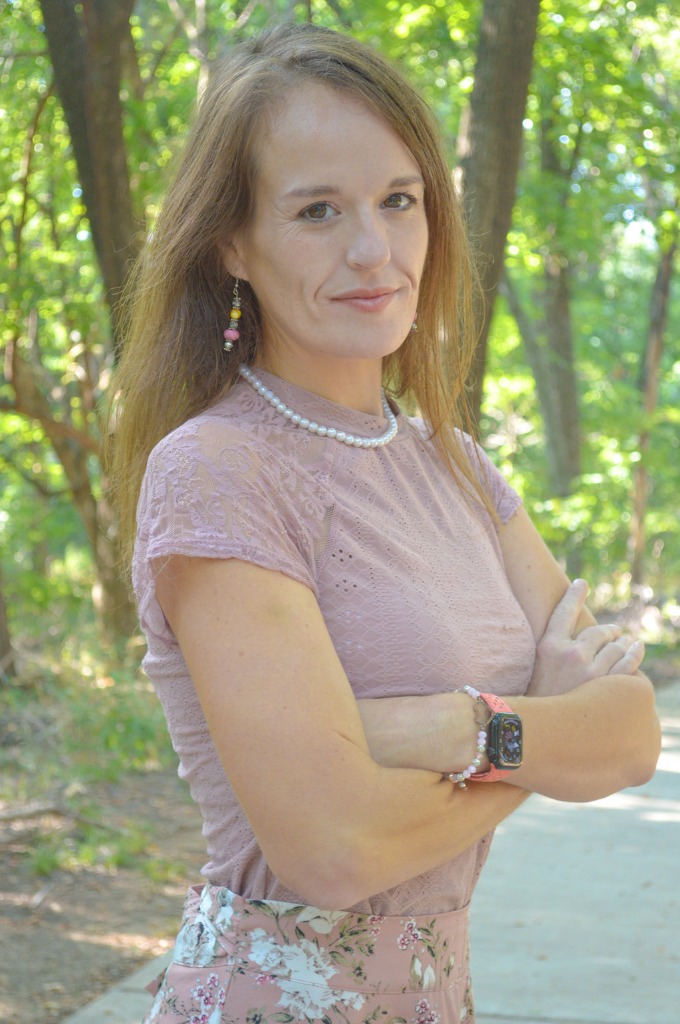
Charlotte Wilson
KEY CAMPAIGN CARDS

Six Focus Pillars for Princeton ISD

Charlotte’s core priorities for accountable leadership and measurable results.

1

STUDENT OUTCOMES FIRST

Measure what matters and act when students aren’t progressing.

Learn More →
2

STRONG SCHOOLS IN EVERY NEIGHBORHOOD

Growth and rezoning should never determine a child’s access to a strong school.

Learn More →
3

SPECIAL EDUCATION ACCOUNTABILITY

Move beyond compliance toward meaningful student progress.

Learn More →
4

TEACHER SUPPORT

Protect instructional time and give educators the tools to succeed.

Learn More →
5

TRANSPARENCY & ACCOUNTABILITY

Ask questions, follow the data, and make decisions the public can understand.

Learn More →
6

RESPONSIBLE GROWTH

Build the schools Princeton needs without losing sight of what happens inside them.

Learn More →
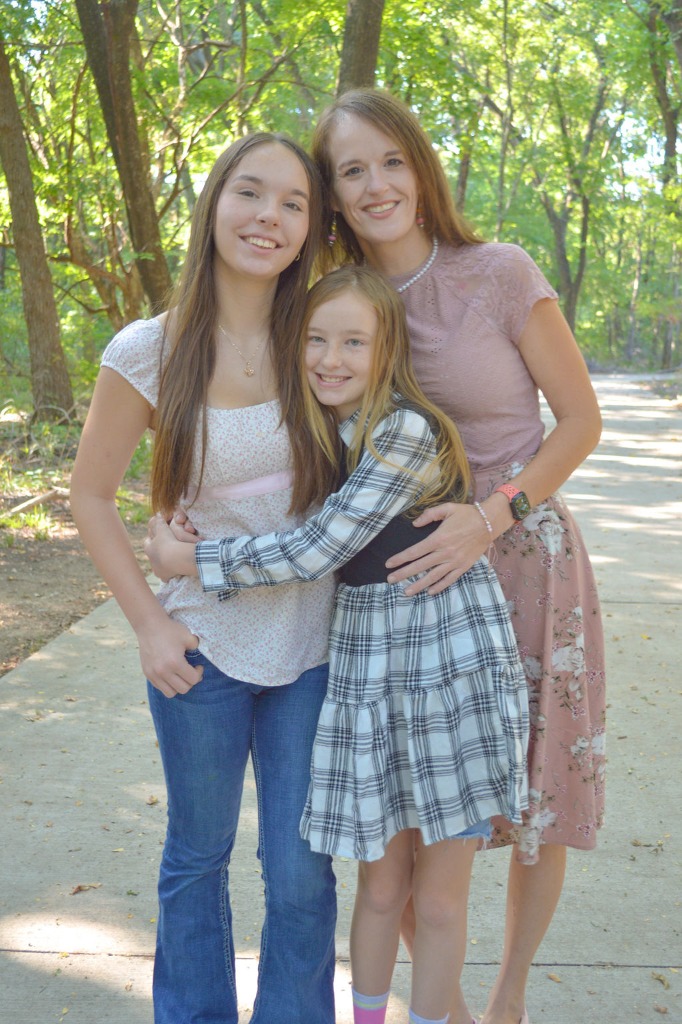
Charlotte Wilson and her daughters
MEET CHARLOTTE

A Parent, Educator, and Advocate for Princeton Schools

My connection to public education isn’t theoretical. I am the mother of two Princeton ISD students and a public-school educator with approximately a decade of experience serving children and families.

  • Mother of two current Princeton ISD students
  • Public-school educator with approx. 10 years experience
  • Special Education Department Chair & Pre-K Team Lead
  • Former Princeton ISD classroom teacher
  • Previous candidate who earned 559 votes in 2025
WHY I’M RUNNING

Princeton Is Growing. Our Expectations Should Grow With It.

Princeton ISD is experiencing extraordinary growth. New neighborhoods are being built. New schools are opening. Attendance boundaries are changing.

Growth Creates Opportunity — But Exposes Weaknesses Quickly

We cannot measure success simply by the number of buildings we construct. We have to ask hard diagnostic questions:

  • Are our students learning?
  • Are struggling campuses actually improving?
  • Are resources reaching the students and classrooms that need them most?
  • Are teachers being given the support necessary to succeed?
  • Are special education students receiving the services their IEPs promise?
  • Do families have confidence that their child can receive a strong education regardless of campus assignment?
CAMPAIGN PRIORITIES

Six Pillars for Results Over Rhetoric

Click any pillar below to read Charlotte's detailed policy commitments for Princeton ISD.

1
STUDENT OUTCOMES FIRSTMeasure what matters and act when students aren’t progressing.
We need to look honestly at academic data, identify where students are falling behind, and determine whether district programs are producing measurable improvement. That means looking beyond presentations and averages. • Which campuses are improving? • Which student groups are struggling? • Are interventions working? • Are students who have spent multiple years in Princeton ISD making the academic progress we should expect? If a program isn’t producing results, we should be willing to change it. Our students don’t have years to wait for adults to acknowledge that something isn’t working. Measure it. Evaluate it. Improve it.
2
STRONG SCHOOLS IN EVERY NEIGHBORHOODGrowth and rezoning should never determine a child’s access to a strong school.
Families should not feel that the quality of their child’s education depends on which side of an attendance boundary they happen to live on. This issue became especially important as growth and rezoning affected families in the peninsula area. Families were reassigned while the school intended to serve their growing area was still years away from opening. Some were assigned to James Elementary, a campus already facing significant academic challenges. Moving attendance boundaries should have been accompanied by an equally serious conversation about what additional support the receiving campus needed. If we move the students, we must be willing to move the resources. When a campus is struggling academically, adding students without providing resources and intervention commensurate with the campus’s needs is not a long-term improvement strategy. And Princeton ISD does not operate in a vacuum. Families have choices. For some families in our growing areas, a higher-performing campus in a neighboring open-enrollment district may be approximately as convenient as the Princeton ISD campus to which they have been rezoned. When families lose confidence and choose another district, Princeton loses more than enrollment. We lose students, associated funding, community confidence, and families who should be helping us build the future of Princeton ISD. Don’t just move the boundary. Move the resources. Move the outcomes.
3
SPECIAL EDUCATION ACCOUNTABILITYMove beyond compliance toward meaningful student progress.
An IEP is not simply paperwork completed for compliance. It is an educational commitment to a child. Parents should be able to trust that services are delivered, accommodations are implemented, goals are meaningful, progress is monitored, and decisions are based on actual student data. Teachers also need the staffing, training, schedules, resources, and support necessary to implement those plans correctly. Accountability must exist at every level. I want Princeton ISD to become a district families can point to as an example of what strong special education can look like. Compliance is the floor. Student progress should be the goal.
4
TEACHER SUPPORTProtect instructional time and give educators the tools to succeed.
We need to examine the systems affecting their daily work. Teachers should spend their time teaching, planning, collaborating, analyzing student data, communicating with families, and improving instruction—not completing unnecessary tasks simply because 'that's how we've always done it.' Before implementing another initiative, platform, assessment, or requirement, district leadership should ask: 1. What problem does this solve? 2. What evidence shows it will improve student outcomes? 3. What will we remove from teachers' workload to make room for it? Teacher retention is connected to working conditions. Listening to educators is not lowering expectations. It is how we build systems that actually work.
5
TRANSPARENCY & ACCOUNTABILITYAsk questions, follow the data, and make decisions the public can understand.
Families should be able to understand what the district is doing, why decisions are being made, what those decisions cost, and whether they are working. Board members should ask difficult questions respectfully, examine data before voting, and understand the long-term financial impact of major decisions. Disagreement is not dysfunction. Healthy governance requires independent thought. I will not measure success by whether everyone at the board table agrees. I will measure it by whether decisions can withstand questions, evidence, and public scrutiny.
6
RESPONSIBLE GROWTHBuild the schools Princeton needs without losing sight of what happens inside them.
That requires long-term planning for schools and capacity, attendance boundaries, transportation, staffing, teacher recruitment/retention, special education, technology, academic programs, student safety, and financial sustainability. Building another school solves a capacity problem. It does not automatically solve an academic problem. As taxpayers invest hundreds of millions of dollars into the future of Princeton ISD, we should expect excellent facilities and excellent educational outcomes inside them.
OUR GOVERNANCE PHILOSOPHY

What “Results Over Rhetoric” Means

Results Over Rhetoric isn’t just a slogan. It describes how a school board should govern.

My Approach to Governance

If elected, I will approach every decision with five basic questions:

1

What does the data show?

Not what we hope is happening. What is actually happening?

2

How does this improve outcomes for students?

Every major decision should ultimately connect back to children.

3

What will this require from teachers and staff?

Implementation matters just as much as the idea.

4

What does it cost—and is it sustainable?

Taxpayer dollars should be treated with respect.

5

How will we know whether it worked?

If we cannot define success, it becomes very difficult to hold anyone accountable for achieving it.

TO OUR COMMUNITY

Direct Messages to Princeton

To Princeton Teachers & Staff

I know what it feels like to walk into a classroom with an enormous list of expectations and a finite number of hours in the day. Teachers deserve high expectations. They also deserve leadership that listens. I will bring both to the board table.

To Princeton Parents

You should not have to become an expert in district systems simply to advocate effectively for your child. Whether your child is excelling, struggling, or receiving special education—you deserve confidence that Princeton ISD sees their potential.

To Princeton Taxpayers

Princeton taxpayers are making a significant investment in our schools. You deserve to know what that investment is producing. Fiscal responsibility and strong public schools are not competing priorities.

JOIN TEAM CHARLOTTE

Help Build the Next Chapter of Princeton ISD

Help Charlotte bring classroom experience, transparent decision-making, and a focus on student progress to the Princeton ISD School Board.

Get involved locally: volunteer, request a yard sign, host a neighborhood conversation, or share why you support Charlotte.

Volunteer with Team Charlotte

Provide your details below. Required fields are marked with *.

Political Advertising Paid for by Charlotte Wilson Campaign

© 2026 Charlotte Wilson for Princeton ISD School Board. All rights reserved.

This campaign website is independent of Princeton ISD.